Women's Ethnic Wear: Types, Styles, Fabrics, Designs & How to Choose
Women's ethnic wear combines tradition with contemporary fashion.
It includes clothing inspired by regional cultures, traditional craftsmanship, and established dressing styles. Popular options include sarees, salwar suits, lehengas, kurtis, and anarkali dresses.
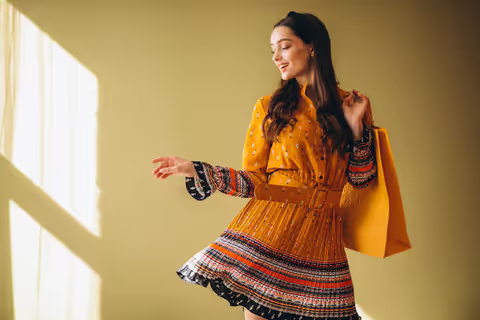
These garments are worn for everyday activities, festivals, weddings, religious ceremonies, and formal celebrations. Designs may feature traditional prints, embroidery, woven patterns, decorative borders, or modern silhouettes.
The choice of outfit depends on personal style, occasion, comfort, climate, and budget. Understanding different garment types and fabrics can help shoppers compare options and select suitable clothing.
Popular Types of Women's Ethnic Wear
Sarees
A saree is a traditional garment consisting of a long piece of fabric draped around the body. It is commonly worn with a blouse and an underskirt, although styling methods vary across regions.
Sarees are available in cotton, silk, chiffon, georgette, and other materials. Banarasi, Kanjeevaram, Chanderi, and Bandhani sarees are examples associated with different weaving and textile traditions.
They are commonly selected for weddings, festivals, cultural events, and formal occasions. Lightweight sarees may also be suitable for regular wear.
Salwar Suits and Anarkali Suits
A salwar suit generally consists of a tunic, trousers, and a dupatta. The trousers may have a loose or fitted shape, depending on the design.
Anarkali suits feature a fitted upper section with a flared lower portion. They are available in different lengths and are often decorated with embroidery, printed patterns, or decorative borders.
Both styles offer different levels of formality and can be worn for daily activities, family gatherings, and celebrations.
Lehengas
A lehenga is a traditional skirt-based outfit commonly paired with a blouse or choli and a dupatta. It is particularly associated with weddings, festive occasions, and formal celebrations.
Lehengas may feature embroidery, zari work, mirror work, sequins, or printed designs. Their appearance and weight depend on the fabric, skirt construction, and decorative details.
Kurtis and Ethnic Tunics
Kurtis are versatile garments that can be paired with leggings, trousers, palazzos, jeans, or skirts. They are available in different lengths, sleeve styles, necklines, and patterns.
Cotton kurtis are often chosen for everyday use, while embroidered or embellished designs may suit festive and semi-formal occasions.
Sharara and Gharara Sets
Sharara outfits usually include a short or medium-length tunic paired with wide, flared trousers. Gharara sets typically feature trousers fitted around the knees before widening below that point.
Both styles are popular for celebrations and traditional functions. Their designs may include embroidery, decorative hems, and matching dupattas.
Women's Ethnic Wear at a Glance
| Outfit | Main feature | Common occasions |
|---|---|---|
| Saree | Draped fabric with blouse | Festivals and weddings |
| Salwar suit | Tunic, trousers, and dupatta | Daily and formal wear |
| Anarkali | Flared, long tunic | Parties and celebrations |
| Lehenga | Skirt, blouse, and dupatta | Weddings and festivals |
| Kurti | Versatile ethnic tunic | Everyday and casual wear |
| Sharara set | Wide, flared trousers | Festive gatherings |
Popular Fabrics Used in Ethnic Clothing
Fabric influences how an outfit looks, feels, and moves. It also affects breathability, durability, maintenance, and overall cost.
Cotton: A breathable fabric commonly used for everyday kurtis, salwar suits, and summer clothing.
Silk: Known for its smooth texture and rich appearance. It is frequently used in sarees, lehengas, and formal outfits.
Georgette: A lightweight, flowing fabric suitable for sarees, dresses, and layered ethnic designs.
Chiffon: A sheer and lightweight material often used for sarees and dupattas.
Chanderi: A traditional Indian textile known for its lightweight structure and subtle sheen, used in sarees and suits.
Velvet: A soft fabric with a rich surface, commonly selected for winter and formal occasion wear.
The choice of fabric should match the weather, occasion, and expected level of comfort. Heavier materials may suit formal celebrations, while lighter fabrics can be practical for regular use.
Traditional Designs and Decorative Details
Ethnic clothing includes a wide range of patterns and surface decorations. These details often reflect regional textile traditions and different craftsmanship methods.
Common design features include:
Embroidery: Decorative stitching used to create patterns, borders, and detailed motifs.
Zari work: Metallic-thread decoration often found on traditional sarees and festive garments.
Mirror work: Small reflective pieces attached to fabric to create decorative patterns.
Block printing: A printing technique that uses carved blocks to apply repeated designs.
Bandhani: A traditional tie-dye technique that creates distinctive patterns through tied sections of fabric.
Chikankari: A traditional embroidery style associated with delicate floral and decorative stitching.
Some garments combine several techniques, while others use simple prints or woven patterns. The amount of handwork and detailing can influence production time and price.
Women's Ethnic Wear Price Ranges
Prices vary according to fabric, craftsmanship, brand, garment construction, and location. The following are broad illustrative categories in Indian rupees, not fixed market rates.
| Price range (INR) | Typical clothing options |
|---|---|
| Under ₹1,000 | Basic kurtis and simple daily-wear suits |
| ₹1,000–₹3,000 | Printed sarees, casual suits, and coordinated sets |
| ₹3,000–₹7,000 | Better-finished suits, selected silk sarees, and festive outfits |
| ₹7,000–₹15,000 | Detailed ethnic sets and occasion-wear sarees |
| Above ₹15,000 | Premium silk sarees, designer lehengas, and heavily embellished outfits |
These categories are intended as general shopping references. Prices can be lower or higher depending on the seller, region, textile origin, and amount of handwork.
How to Choose the Right Ethnic Wear
Selecting suitable clothing becomes easier when practical requirements are considered alongside appearance.
Identify the occasion: Choose lightweight and simple designs for everyday activities, while weddings and festivals may call for more detailed outfits.
Consider the fabric: Select breathable materials for warm weather and heavier fabrics when the occasion or season requires them.
Check the fit: Review garment measurements, sleeve length, shoulder fit, waist, and overall comfort.
Compare colours and patterns: Consider personal preferences, existing accessories, and the type of event.
Review construction quality: Examine stitching, lining, seams, embroidery, closures, and fabric finishing.
Set a budget: Compare similar garments across different sellers and include possible alteration or maintenance expenses.
It can also help to check the care instructions before purchasing. Some delicate fabrics and embroidered garments may require specialised cleaning or careful storage.
Styling and Maintaining Ethnic Clothing
Accessories can complement ethnic outfits without making them difficult to wear. Jewellery, footwear, handbags, dupattas, and other accessories can be selected according to the garment's design and occasion.
For example, a simple kurti may work with everyday footwear and minimal jewellery, while a wedding lehenga may be paired with more elaborate accessories. Keeping the overall styling balanced can help the outfit remain comfortable.
Care requirements depend on the fabric and decoration. Cotton garments may often be machine-washable according to their labels, while silk, velvet, and heavily embroidered clothing may need more careful handling. Following garment care instructions helps maintain colour, fabric quality, and decorative details.
Frequently Asked Questions
Which ethnic wear is suitable for everyday use?
Cotton kurtis, simple salwar suits, and lightweight sarees are common everyday options. Comfort depends on fabric, fit, and personal preference.
Which fabrics are commonly used for festive ethnic wear?
Silk, georgette, chiffon, velvet, and Chanderi are frequently used in festive clothing. The selection depends on the design and season.
What is the difference between a sharara and a gharara?
Sharara trousers generally have a wide flare, while gharara trousers are fitted around the knees before widening below them.
How can someone choose ethnic wear within a budget?
Compare fabric quality, construction, design, and prices across different sellers. Prioritising versatile outfits can also help manage clothing expenses.
Conclusion
Women's ethnic wear offers a wide range of traditional and contemporary clothing options. Understanding garment types, fabrics, decorative techniques, and price categories makes it easier to compare designs. By considering occasion, comfort, fit, and budget, shoppers can select ethnic clothing that suits their preferences and practical needs.