How to Choose a Wedding Dress: Styles, Fits & Price Ranges
Choosing a wedding dress involves several decisions.
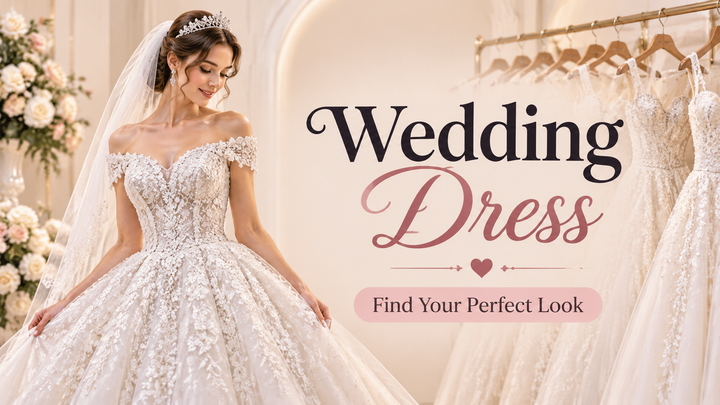
A wedding dress is a special garment designed for a marriage ceremony and related celebrations. Available styles range from traditional ball gowns to simple, modern silhouettes. Each design offers different proportions, fabrics, details, and fitting requirements.
The right choice depends on personal preferences, comfort, wedding location, season, and budget. Understanding different designs and their features can make the shopping process easier.
Keypoints
Wedding dress selection depends on personal style, comfort, venue, and budget.
Popular silhouettes include A-line, ball gown, mermaid, sheath, and trumpet designs.
Fabric, embellishments, construction, and designer labels influence overall wedding dress prices.
Proper measurements, alterations, and early planning help achieve a comfortable bridal fit.
Why Choosing the Right Wedding Dress Matters
A wedding dress influences how comfortable someone feels throughout the celebration. Weddings often involve walking, sitting, standing, dancing, and spending several hours in formal clothing. A suitable design should allow these activities without unnecessary restrictions.
The venue and weather also influence dress selection. Lightweight fabrics may suit outdoor or warm-weather celebrations, while structured gowns and heavier materials may work better in cooler environments. Considering practical requirements alongside appearance helps narrow down suitable options.
Popular Types of Wedding Dresses
A-Line Wedding Dresses
A-line dresses have a fitted bodice and a skirt that gradually widens towards the hem, creating a shape similar to the letter A. This design offers a balanced silhouette and allows relatively comfortable movement.
It is available in different fabrics, including satin, chiffon, lace, and tulle. A-line gowns are commonly selected for traditional, outdoor, and contemporary weddings.
Ball Gown Wedding Dresses
Ball gowns feature a fitted upper section and a full, voluminous skirt. They often include structured bodices, layered fabrics, and decorative details.
This traditional style is associated with formal ceremonies and grand wedding venues. However, the fuller skirt can require more space and may be less convenient for extended movement.
Mermaid Wedding Dresses
Mermaid dresses fit closely through the bodice, waist, and hips before widening around the knees or lower legs. They create a defined silhouette and are available in designs featuring lace, satin, and embellished fabrics.
Because of their fitted construction, alterations and movement considerations are particularly important.
Sheath Wedding Dresses
Sheath dresses follow a relatively straight shape from the neckline towards the hem. They usually have less skirt volume than ball gowns or A-line designs.
Their streamlined appearance suits modern, minimalist, beach, and smaller wedding celebrations. Lightweight fabrics such as crepe and chiffon are commonly used.
Trumpet Wedding Dresses
Trumpet gowns follow the body's shape through the upper section and hips before gradually widening around the mid-thigh. They provide more flare than a mermaid silhouette, offering a different balance between fitted styling and skirt movement.
Wedding Dress Styles at a Glance
| Style | Main feature | Common suitability |
|---|---|---|
| A-Line | Gradually widening skirt | Various wedding settings |
| Ball Gown | Full, voluminous skirt | Formal celebrations |
| Mermaid | Fitted shape with lower flare | Glamorous ceremonies |
| Sheath | Straight, streamlined silhouette | Minimalist weddings |
| Trumpet | Fitted upper section with mid-thigh flare | Formal and modern events |
Wedding Dress Fabrics and Design Details
Fabric affects appearance, comfort, weight, and overall pricing. Different materials also influence how a gown falls and moves.
Satin: A smooth fabric with a polished surface, commonly used in structured and elegant gowns.
Lace: A decorative fabric featuring detailed patterns, often incorporated into sleeves, bodices, and overlays.
Chiffon: A lightweight, flowing fabric frequently used for soft and relaxed designs.
Tulle: A fine net-like material used in layered skirts, veils, and decorative details.
Organza: A lightweight, relatively crisp fabric that provides volume without the weight of heavier materials.
Crepe: A fabric with a textured surface that works well for clean, contemporary silhouettes.
Additional details such as embroidery, beading, sequins, appliqués, and lace patterns can change the overall appearance and construction cost.
Wedding Dress Price Ranges
Wedding dress prices vary according to fabric quality, construction, designer reputation, location, and customisation. The following are broad illustrative price categories for the US market, not fixed industry rates.
| Price range (USD) | Typical dress category |
|---|---|
| Under $500 | Basic retail and simple bridal designs |
| $500–$1,500 | Budget and selected mid-range gowns |
| $1,500–$3,000 | Mid-range designer and boutique dresses |
| $3,000–$5,000 | Premium designer collections |
| $5,000 and above | Luxury and couture-style gowns |
The Knot's 2026 Real Weddings Study reported an average US wedding dress expenditure of approximately $2,100 among couples married in 2025. Actual spending varies considerably depending on shopping preferences and location.
Alterations, accessories, undergarments, cleaning, and preservation may increase the final expense. These costs should be considered separately when preparing a wedding clothing budget.
How to Choose the Right Wedding Dress
Selecting a gown becomes easier when important requirements are considered before visiting bridal stores.
Set a budget: Decide how much to spend on the dress and reserve additional money for alterations and accessories.
Consider the venue: Match the design and fabric to the ceremony location, weather, and level of formality.
Explore different silhouettes: Try several styles rather than limiting choices to one particular design.
Prioritise comfort: Check whether the dress allows comfortable walking, sitting, and dancing.
Check fabric quality: Examine stitching, lining, seams, embellishments, and overall construction.
Review customisation options: Ask about sleeve changes, neckline adjustments, train length, and other available modifications.
Comparing multiple dresses can help identify differences in fit, construction, and overall value.
Fittings, Alterations, and Preparation
Wedding dresses often require alterations to achieve the desired fit. Common adjustments include shortening the hem, modifying the bodice, adjusting straps, and adding a bustle for managing a longer train.
Bridal fittings should be scheduled according to the dress order timeline and the tailor's recommendations. Wearing the intended wedding shoes and suitable undergarments during fittings helps evaluate the final length and fit.
Accessories such as veils, jewellery, shoes, and hairpieces should complement the dress without making the overall outfit uncomfortable. Proper storage and garment handling also help protect delicate fabrics before the wedding.
Frequently Asked Questions
When should someone start shopping for a wedding dress?
Starting approximately 9–12 months before the wedding can provide time for ordering, delivery, and alterations. Shorter timelines may work when purchasing ready-to-wear dresses.
Which wedding dress style is most popular?
A-line and ball gown designs are widely recognised styles. However, preferences vary according to fashion trends, personal taste, and wedding traditions.
What affects wedding dress prices the most?
Fabric quality, construction, designer reputation, hand-applied embellishments, customisation, and boutique location are important pricing factors.
Are wedding dress alterations necessary?
Not every dress requires extensive alterations, but adjustments are common. Proper fitting helps improve comfort, length, and overall appearance.
Conclusion
Choosing a wedding dress involves balancing personal style, comfort, design, and budget. Understanding different silhouettes, fabrics, and price categories makes it easier to compare available options. Careful fittings and preparation also help ensure the selected gown is suitable for the wedding celebration.