How Do Data Center Cooling Systems Work? Types, Technologies & Applications
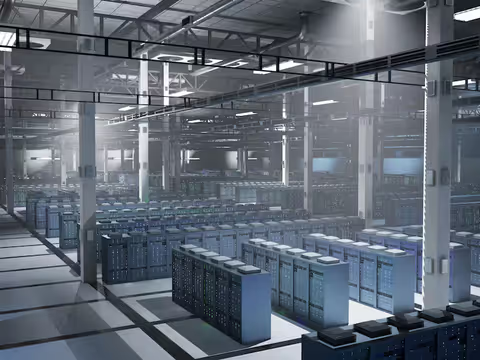
Data centers rely on cooling every day.
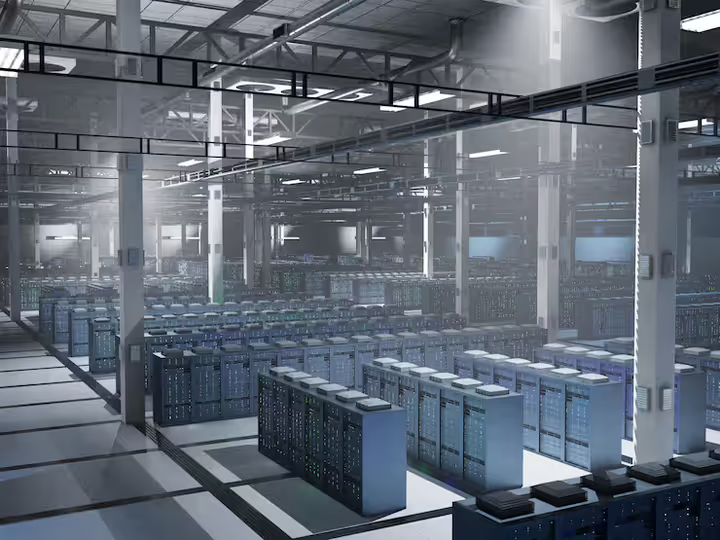
Servers, storage devices, and networking equipment produce heat while processing information. If heat is not removed, temperatures can exceed operating limits and cause reduced performance, shutdowns, or hardware damage. Data center cooling systems move this heat away from IT equipment and release it outside the facility.
Keypoints
Cooling systems remove server heat and maintain safe temperatures for equipment operations.
Air-based, chilled-water, economizer, and liquid technologies serve different facility needs and workloads.
CRAC, CRAH, cooling towers, pumps, and sensors coordinate heat removal processes continuously.
Airflow control, maintenance, and monitoring influence energy, water, and overall system performance.
Why Data Center Cooling Matters
Most data centers operate continuously, so cooling must be reliable and efficient. It helps maintain suitable temperature and humidity conditions, protect equipment, and support service availability.
Cooling also affects electricity and water use. A suitable design balances heat removal, energy, water availability, climate, rack density, and cost.
How Data Center Cooling Systems Work
Servers generate heat as their processors, memory, storage, and networking components operate. Fans move warm air to room- or rack-level cooling equipment, which transfers heat to chilled water or refrigerant. Chillers, cooling towers, dry coolers, or outdoor air then release the heat outside, while cooled air or liquid returns to the IT area.
A typical air-cooled cycle includes:
Air supply: Cooling units deliver conditioned air to server inlets, through floor vents or overhead ducts.
Heat collection: Server fans draw in cool air and exhaust warmer air.
Heat transfer: Room cooling equipment removes heat from the return air.
Heat rejection: Water or refrigerant carries the heat to outdoor equipment.
Control: Sensors adjust fans, pumps, valves, and cooling capacity as demand changes.
Main Types of Data Center Cooling Systems
CRAC and CRAH Cooling
Computer Room Air Conditioning (CRAC) units use a refrigeration cycle, with a compressor, condenser, expansion device, and evaporator moving heat outdoors.
Computer Room Air Handler (CRAH) units use chilled water from a central plant. Air passes over a cooling coil, transferring heat to the water. CRAH systems are common in facilities with central chilled-water infrastructure.
Chilled-Water Cooling
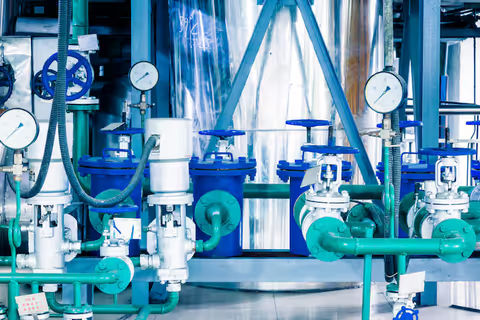
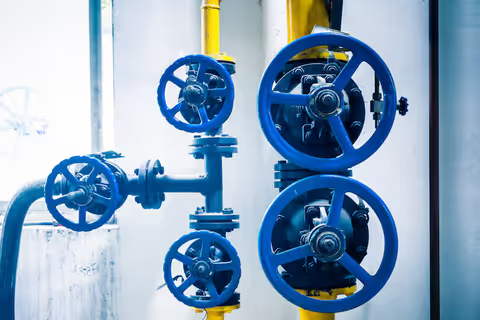
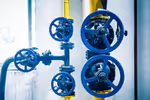
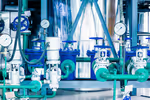
Pumps circulate chilled water between chillers and air handlers. A cooling tower or other heat-rejection unit releases the extracted heat outdoors. The arrangement can serve multiple rooms but requires suitable piping, controls, and water treatment.
Free Cooling and Economizers
Economizers reduce mechanical refrigeration when outdoor conditions allow. Air-side systems use filtered outdoor air; water-side systems use heat exchangers to cool water and may bypass chillers. Performance depends on climate, air quality, and humidity limits.
Liquid Cooling
Liquid cooling removes heat near its source. Direct-to-chip systems circulate coolant through cold plates attached to components such as CPUs or GPUs, transferring heat to a facility loop through a coolant distribution unit.
Immersion cooling places servers or components in electrically nonconductive dielectric fluid. Single-phase systems keep the fluid liquid; two-phase systems allow boiling and condensation. These systems support high-density computing but require fluid compatibility, leak control, and specialist servicing.
Rear-Door and Hybrid Cooling
Rear-door heat exchangers sit behind server racks. They capture warm exhaust air and transfer heat to a liquid loop. Hybrid designs use liquid cooling for high-heat components and air cooling for remaining equipment and room loads.
Key Components and Technologies
A cooling installation may include several connected components:
| Component | Main function |
|---|---|
| CRAC or CRAH unit | Conditions air around IT equipment |
| Chiller | Removes heat from a water loop |
| Cooling tower or dry cooler | Releases heat outdoors |
| Pumps and pipes | Circulate water or coolant |
| Fans and air handlers | Move and distribute air |
| Cooling distribution unit | Transfers heat between liquid loops |
| Sensors and controls | Monitor temperature, pressure, flow, and humidity |
Monitoring tools help identify hot spots, changing loads, abnormal temperatures, and possible leaks.
Efficiency, Energy Use, and Performance
Efficiency depends on equipment and how the whole system is operated. Poor airflow allows hot and cold air to mix, making fans and chillers work harder. Hot-aisle and cold-aisle layouts separate server intake air from exhaust air. Containment barriers can reduce unwanted mixing.
Operators may assess Power Usage Effectiveness (PUE), calculated by dividing total facility energy by IT equipment energy. A value closer to 1 indicates less overhead energy. PUE does not measure water use; Water Usage Effectiveness (WUE) provides a separate water metric.
Other measures include variable-speed fans and pumps, suitable temperature settings, clean filters and coils, economizers, and heat reuse. Consider both energy and water needs.
Applications Across Data Center Environments
Enterprise data centers often use room-based CRAC or CRAH units, while colocation facilities need flexible capacity for multiple customers. Hyperscale sites may combine central plants and economizers.
AI and high-performance computing can create concentrated rack heat suited to direct-to-chip, rear-door, or immersion approaches. Edge sites often need compact, low-maintenance systems.
Maintenance and Operational Considerations
Teams inspect filters, coils, pumps, fans, valves, coolant circuits, water quality, and leak sensors. They test alarms and backup capacity. Because failures can affect IT availability, facilities plan redundancy and emergency procedures; maintenance follows safe equipment-isolation procedures.
Frequently Asked Questions
Do all data centers use air cooling?
No. Many use air cooling, while high-density facilities may use direct liquid cooling, immersion cooling, or hybrid systems.
What is the difference between CRAC and CRAH?
CRAC units typically cool air through a direct refrigeration cycle. CRAH units use coils supplied with chilled water from a central plant.
Is liquid cooling more efficient than air cooling?
It can improve heat removal for high-density equipment and may reduce some fan or chiller demand. Results depend on system design and facility conditions.
What does PUE measure?
PUE compares total facility energy use with energy used by IT equipment. It is one measure of energy performance, not a complete sustainability score.
Conclusion
Data center cooling systems remove heat so digital infrastructure can operate reliably. Air-based, chilled-water, economizer, and liquid technologies suit different conditions. Good design, airflow management, monitoring, and maintenance help balance equipment protection, energy use, and water needs.