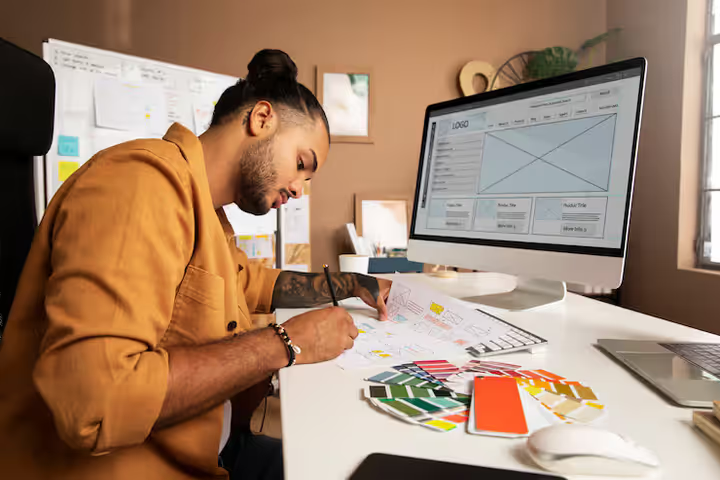
Bachelor of Design (B.Des): Explore Courses, Understand Eligibility & Discover Career Opportunities
A Bachelor of Design (B.Des) is a four-year undergraduate degree for students interested in creativity, visual communication, product development, fashion, and other design-related fields.
The course combines creative thinking with practical and technical knowledge to prepare students for careers across different industries. Students from various academic streams can explore B.Des programmes after completing their Class 12 education, subject to the admission requirements of their chosen institution.
What Is a Bachelor of Design (B.Des)?
Bachelor of Design is an undergraduate programme that teaches students how to develop creative ideas and turn them into practical designs. The course includes classroom learning, studio projects, practical assignments, workshops, internships, and industry exposure.
B.Des programmes are available in several specialisations, including fashion design, interior design, graphic design, textile design, product design, animation, and visual communication. The curriculum generally covers design fundamentals, computer-aided design (CAD), product development, visual representation, marketing, and professional skills.
Popular B.Des Courses and Specialisations
Students can select a specialisation according to their interests and career goals. Some popular options include:
Fashion Design: Focuses on clothing, garment construction, fashion trends, and styling.
Graphic Design: Covers visual communication, typography, branding, and digital graphics.
Interior Design: Teaches space planning, furniture layouts, materials, and interior environments.
Product Design: Concentrates on developing useful and functional products.
Textile Design: Includes fabric patterns, printing, weaving, and surface development.
Animation and Film Design: Covers animation techniques, visual storytelling, and multimedia.
Industrial Design: Focuses on designing products and solutions for everyday and industrial use.
Accessory Design: Includes jewellery, footwear, bags, and other lifestyle products.
B.Des Eligibility Criteria
The general eligibility requirement for B.Des admission is completion of Class 12 or an equivalent examination from a recognised board. Students from Science, Commerce, and Arts streams may apply to many institutions.
Some colleges specify a minimum percentage, commonly around 50%, while others may have different requirements. Admission may depend on entrance examination scores, merit lists, portfolio reviews, drawing tests, or interviews.
Candidates should check the eligibility criteria of individual colleges because age limits, minimum marks, and selection procedures can vary.
B.Des Entrance Exams in India
Many design institutes conduct entrance examinations to assess candidates' creative ability, visual understanding, logical reasoning, and design aptitude. Some commonly known entrance exams include:
NIFT Entrance Examination
NID Design Aptitude Test (NID DAT)
Undergraduate Common Entrance Examination for Design (UCEED)
All India Entrance Examination for Design (AIEED)
Symbiosis Entrance Exam for Design (SEED)
Pearl Academy Entrance Exam
FDDI All India Selection Test (AIST)
IICD Entrance Examination
The examination pattern differs between institutes. Candidates may need to complete written aptitude tests, drawing or design exercises, portfolio assessments, and personal interviews.
B.Des Course Structure and Syllabus
A B.Des degree generally follows an eight-semester structure over four years. The syllabus combines design theory with practical projects and specialisation-specific subjects.
Common subjects include:
Fundamentals of Art and Design
Drawing and Visual Representation
Typography and Communication
Photography and Videography
Creative Thinking and Design Methods
Computer-Aided Design (CAD)
Product Development and Prototyping
Design Research and Management
Design Technology and Innovation
Professional Practice and Portfolio Development
Students also participate in studio projects, internships, exhibitions, and collaborative assignments to gain practical experience.
Top Colleges and B.Des Course Fees
Several institutions in India offer undergraduate design programmes. Some well-known options include:
| College or Institute | Location |
|---|---|
| National Institute of Design (NID) | Ahmedabad |
| National Institute of Fashion Technology (NIFT) | Multiple cities |
| Industrial Design Centre, IIT Bombay | Mumbai |
| Indian Institute of Art and Design (IIAD) | New Delhi |
| Symbiosis Institute of Design | Pune |
| Pearl Academy | Multiple cities |
| Amity University | Noida |
| Chandigarh University | Chandigarh region |
Course fees vary according to the institution, specialisation, facilities, and duration. Students should review the latest fee structure, hostel charges, scholarships, and other expenses directly through official college websites before applying.
Career Opportunities After B.Des
B.Des graduates can explore opportunities in fashion, technology, media, manufacturing, advertising, retail, entertainment, and other sectors. Their career options depend on their specialisation, practical skills, portfolio, and work experience.
Some common job profiles include:
Fashion Designer
Graphic Designer
UI/UX Designer
Textile Designer
Product Designer
Industrial Designer
Interior Designer
Art Director
Animation Designer
Accessory Designer
Companies across e-commerce, technology, automotive, fashion, and consumer goods industries recruit design graduates. Organisations such as Flipkart, Myntra, Microsoft, TCS, Wipro, Accenture, and Mahindra are among the companies associated with design-related roles.
Salary and Higher Education Options
Salary after completing a B.Des degree depends on the job profile, employer, location, portfolio quality, and experience. Graduates may begin with entry-level design positions and progress into senior designer, creative lead, design manager, or art director roles as they gain experience.
Students interested in further education can consider postgraduate programmes such as Master of Design (M.Des), Master of Fashion Management (MFM), or an MBA, depending on their career interests.
Conclusion
A Bachelor of Design is a suitable academic option for students who want to combine creativity with practical problem-solving and professional skills. With specialisations ranging from fashion and interior design to product development, animation, and visual communication, the degree offers several learning and career pathways. Before applying, candidates should compare course structures, eligibility requirements, entrance examinations, college facilities, and fees to choose a programme that matches their interests and future goals.
Disclaimer: The information provided in this article is for informational purposes only. We do not make any claims or guarantees regarding the accuracy, reliability, or completeness of the information presented. The content is not intended as professional advice and should not be relied upon as such. Readers are encouraged to conduct their own research and consult with appropriate professionals before making any decisions based on the information provided in this article.